

Here’s Your Calm Parenting Guide.

You're In
How to Respond Instead of React When Emotions Run High
This science backed guide walks you through a simple Reflect and Revisit approach so you can stay steady in stressful moments, repair when needed, and model emotional regulation for the kids you care about.
Free printable version. Keep it handy for tough moments
Before You Dive In
Big reactions happen in real life. A hard question at dinner. A spilled cup of milk. A sharp tone after a long day. This guide gives you a simple structure to pause, reflect on what was triggered, and return to the conversation with care.
Nurture Authentic Relationships

Scholar CoCreators:
Christy Byrd, Ph.D., Lisa Flook, Ph.D., Erik Nook, Ph.D. and Mitch Prinstein, Ph.D.

At-a-Glance:
This Practice Guide equips CoCreators with a technique for emotionally-triggering conversations with children. Through the ‘Reflect and Revisit’ approach and the use of ‘I’ statements, you’ll find actionable steps for enhancing dialogue and emotional well-being for both you and the kids you care about.
Science Insight
Research shows that how adults handle their emotions affects children in a big way. Kids are very aware of what adults are feeling. They can sense stress, anger, or calm—even when nothing is said. When adults manage their emotions well, it helps children feel safe and steady.
Sometimes children say or do things that bring up strong feelings in adults. This can happen because of past experiences or current stress. It’s normal to feel upset or overwhelmed at times. The important thing is learning ways to calm yourself and take care of your feelings so you can respond in a caring and thoughtful way.
Being “triggered” means having a strong emotional reaction to something that happens. Often, this reaction feels sudden and hard to control. Learning to notice when you are triggered is the first step toward handling it in a healthier way.
Strategy: Reflect and Revisit
When feeling triggered, this approach is a lifesaver. Sometimes immediate answers aren't possible or advisable, and that's okay. Whether you're a parent, grandparent, teacher, or friend, you can tell a child you need some time to think and will revisit this topic later. This strategy provides a pause for emotional management and thoughtful reflection, while also teaching the child that sometimes a more thoughtful response is best.
“Empathy is feeling what another feels, and when combined with self-regulation, allows us to not be overwhelmed by difficult emotions. If we see someone else who’s sad, we may also feel a little sad. That’s an empathic response. Being able to regulate so that we don’t become overwhelmed by sadness helps us learn to respond in a way that’s helpful. When adults are present with children so that the child feels seen and accepted for who they are, this fosters trust and connection.”
–Erik Nook, Ph.D.
Assistant Professor, Department of Psychology, Princeton University

Practice Steps
1. Acknowledge and Pause
When you're unsettled by a child's words or actions, the first step is to notice that you’re triggered. Then, respond with an acknowledging phrase. Consider a response that feels right to you and is tailored to the child's age.
For young children consider: "Wow, what a great question. Let me think about it and we'll talk more."
For older children consider: "That's a thoughtful question that deserves a thoughtful answer. Let me ponder it for a bit."
2. Reflect
Use the pause to delve into your feelings and formulate a balanced response. During this time, you can jot down thoughts or consult resources, including the wisdom of other CoCreators, to help you frame your reply.
3. Revisit and Respond
Once you're ready, return to the conversation to share your considered thoughts. For young children, try to keep it simple but honest. For older kids, you might delve into more detail.
For young kids consider: "Remember that question you asked? I've thought about it, and here's what I’d like to share ..."
For older kids consider: "I've given your question some serious thought. Let's sit down and talk it through."
By implementing the Reflect and Revisit strategy, you not only give yourself the room to deal thoughtfully with complex or triggering situations, you also model important emotional skills for the children in your life.
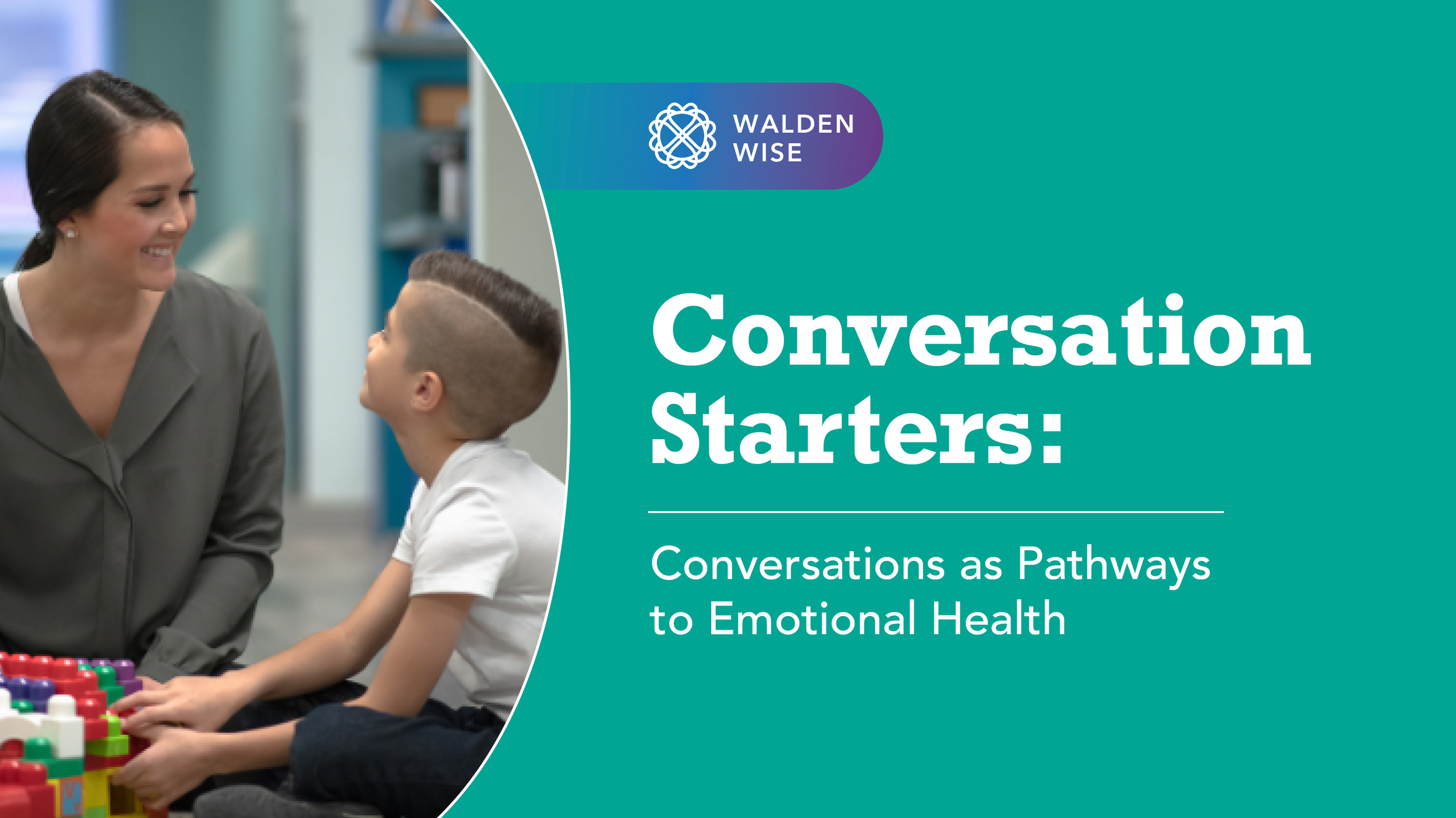
Want to Keep This for Later?
You can save the beautifully-designed printable version of this Calm Parenting Guide for easy reference during stressful parenting moments.
Your free guide is ready

Step by step Reflect and Revisit framework
Suggested language for difficult conversations
Science insight from child development researchers
Simple structure you can use again and again
If This Helped, Try These Next
When Adults Get It Wrong
A deeper guide to repairing connection after tough parenting moments. Learn how to acknowledge your reaction, explain what happened, and rebuild trust with clarity and care.

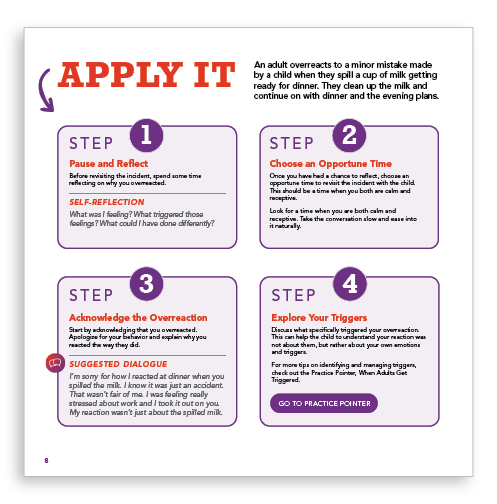
Repair After an Overreaction
A simple step by step handout that shows you exactly how to revisit a moment when you reacted strongly. Includes reflection prompts and suggested language for reconnecting with your child.
Ready to start the conversation?
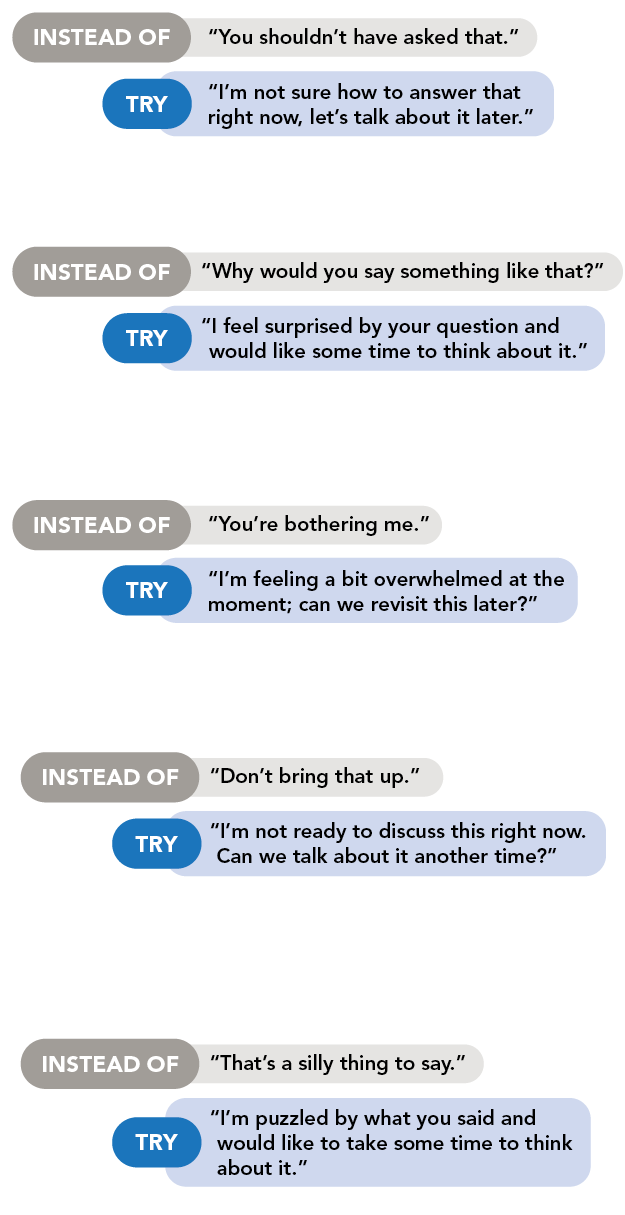
You have worked on how you respond. Now here are simple prompts to open things up with the kids in your life.
Handling Big Emotions with Kids Takes Practice
Receive steady, research informed support twice each month. Each short email includes ready to use tools created with researchers and experienced parents and teachers, so you can focus on being present with the kids you care about.
Short. Practical. Designed to be used right away.
Free. Unsubscribe anytime.